The inspiration seeker
An artist’s guide to finding creativity in Qatar
Need to know:

Doha is home to world-class institutions, public art initiatives, and a growing independent arts scene.
Artist Hadeer Omar, who has built her career in Qatar, has had work featured at Ars Electronica and Noor Riyadh.
Major cultural attractions in Doha include the Museum of Islamic Art, the National Museum of Qatar, and Katara Cultural Village.
Beyond museums, Doha's independent creative community is growing, with spaces such as Gubgub Studios and ALhosh Gallery helping shape the next generation of cultural activity.
Today, the Egyptian new media artist, educator, and Associate Professor at Virginia Commonwealth University School of the Arts in Qatar (VCUarts Qatar) is among the many creatives whose work has been shaped by Qatar’s creative landscape.



A creative home
What began as an education evolved into a career spanning teaching, media art, design, and performance, with her work presented through platforms and events including Ars Electronica and Noor Riyadh.
Qatar's cultural ecosystem has played a significant role in her journey. Among the organizations central to her creative development were the Doha Film Institute, which supported her work in film and moving image, and Qatar Museums, which oversees the country's museums, public art initiatives, residencies, and artist programs.
They support artists across all stages of practice: emerging voices through residency programs, group exhibitions, and international showcasing opportunities.
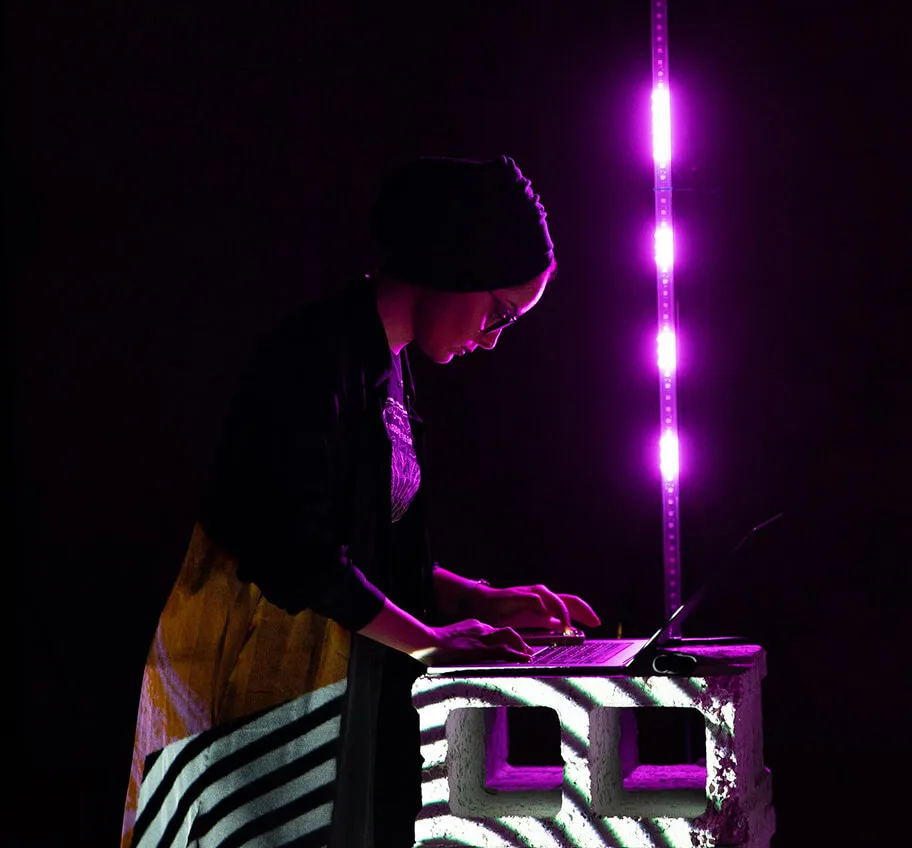
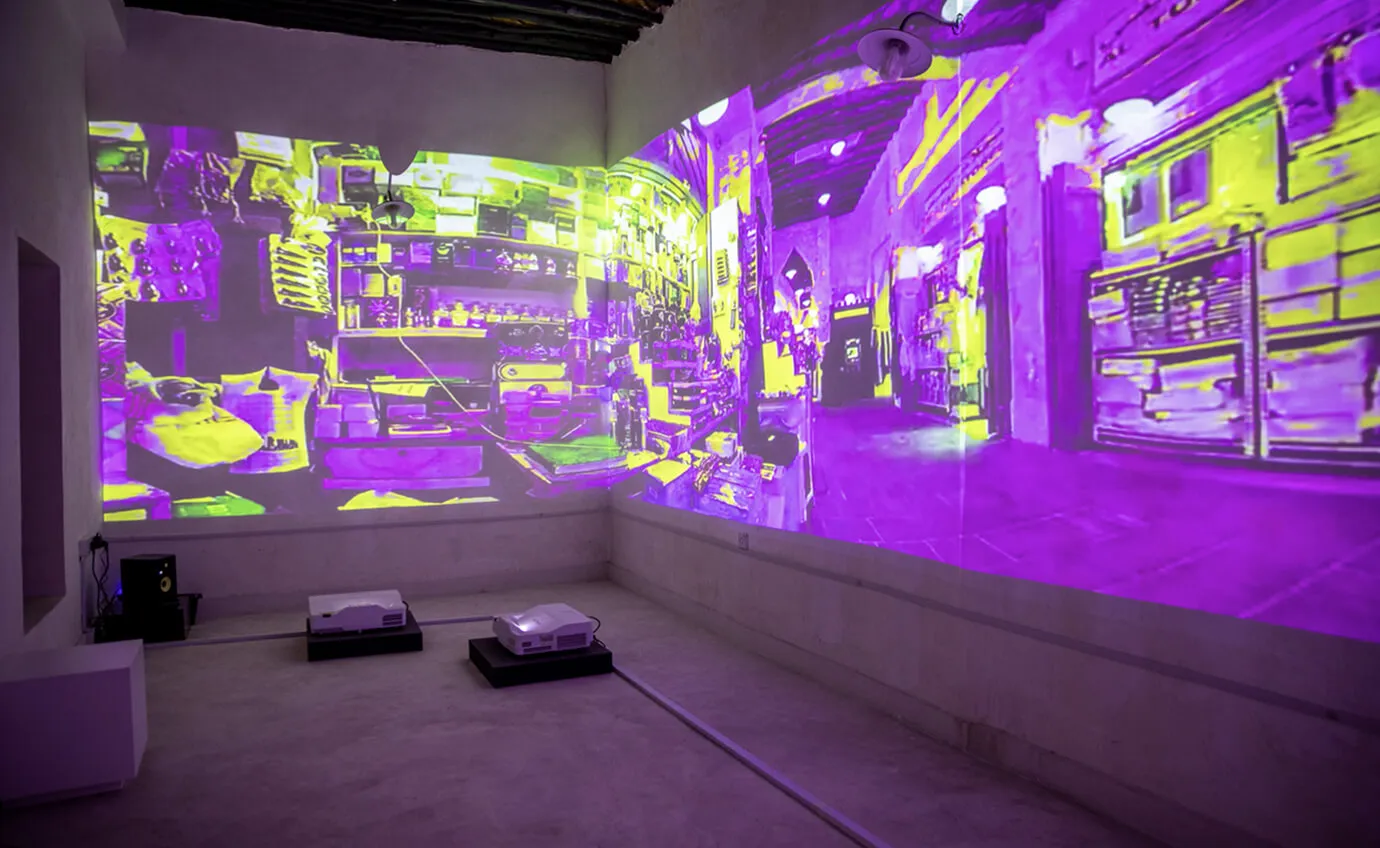
Together, they helped shape what Omar describes as her signature style of “cultural maximalism,” a celebration of “an identity that resists being pinned down to a single thing.” Today, her practice spans photography, film, video installation, performance, and extended reality (XR) media, reflecting the cross-disciplinary nature of Qatar's creative landscape and the variety of artistic experiences it offers visitors.
A city of inspiration
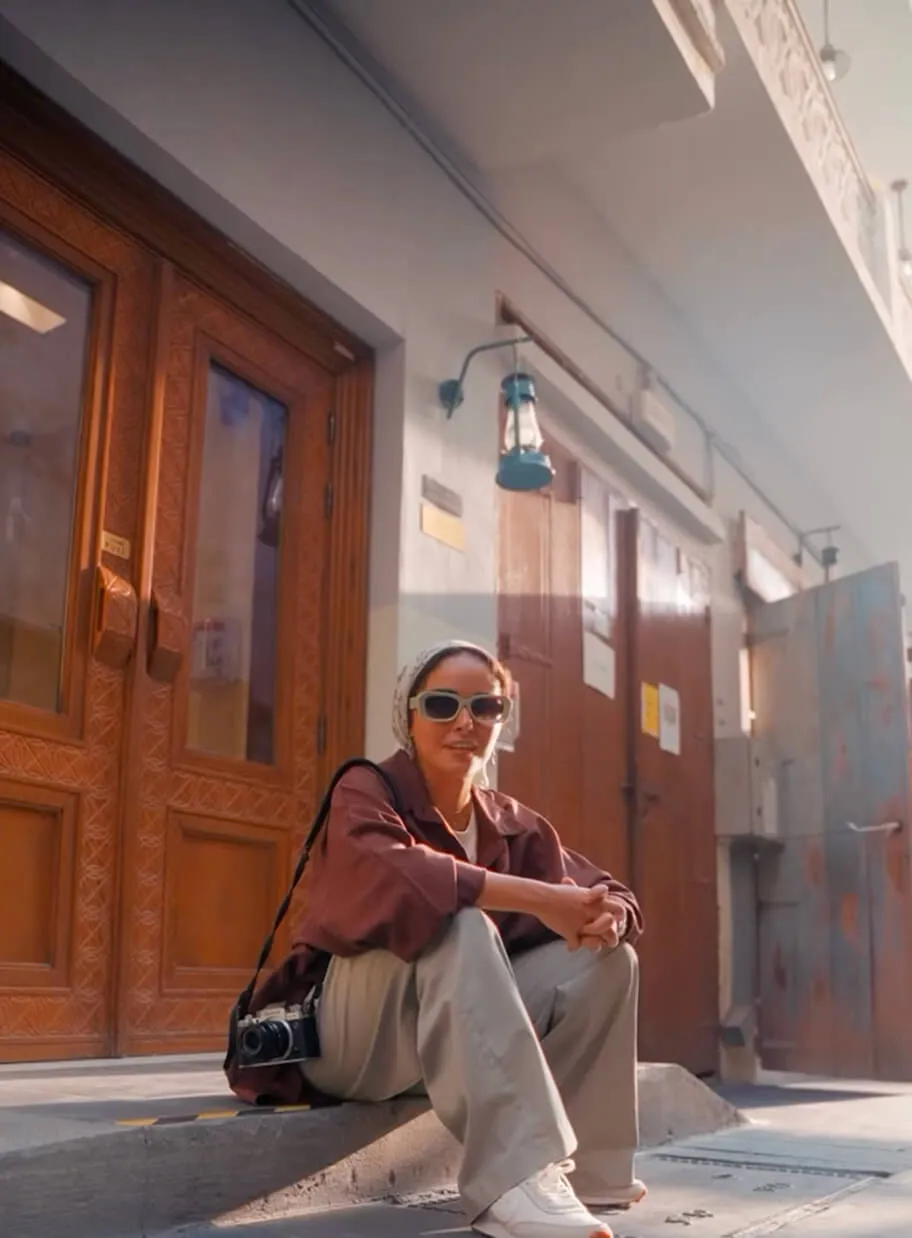
“I often grab my camera and walk through the old streets, the souq, and the fabric markets,” she says.
The camera makes me more observant. It slows me down and lets me find the gems hiding in plain sight.




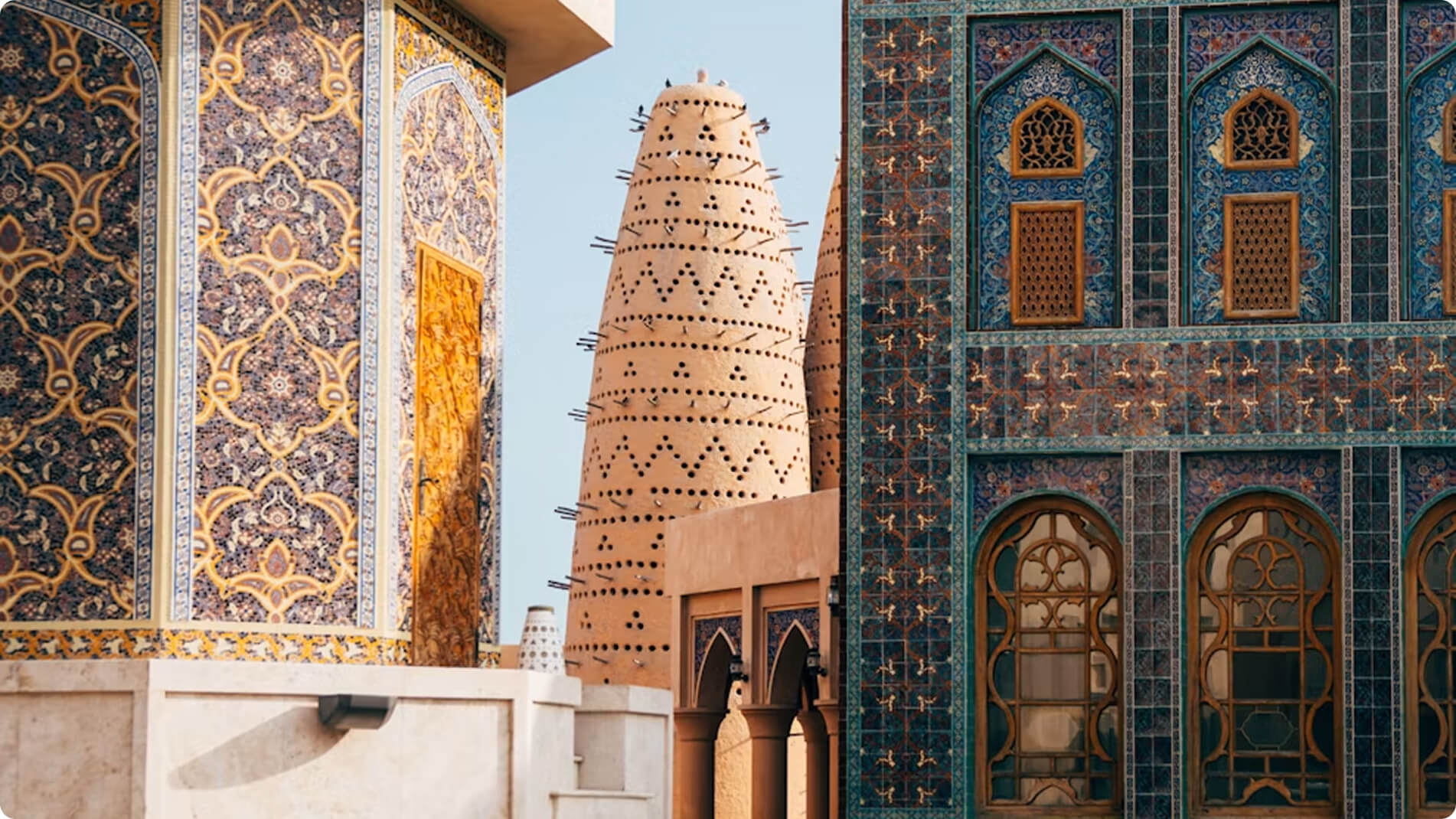
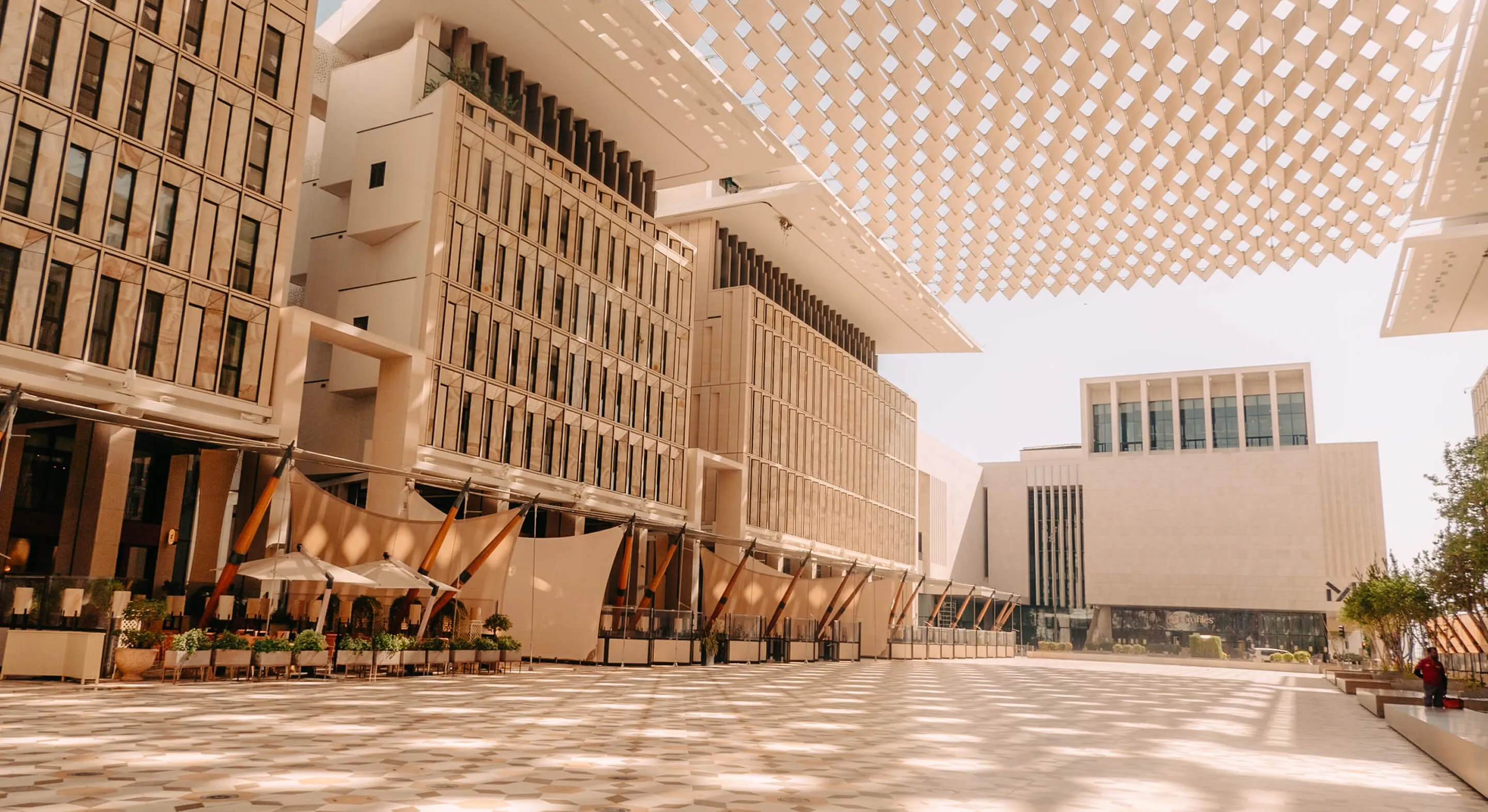
Creativity exists on Qatar’s waterfront, in the Katara Cultural Village, where galleries, performance venues, public art, and cultural institutions are all within walking distance. Here, visitors can explore Qatar Museum Gallery Katara, the Katara Art Center, the Qatar Fine Arts Association gallery, and a classical Greek-styled amphitheater, alongside dozens of public artworks. The Doha Film Institute also maintains a presence there, making Katara one of the most concentrated introductions into the country's arts and culture scene.
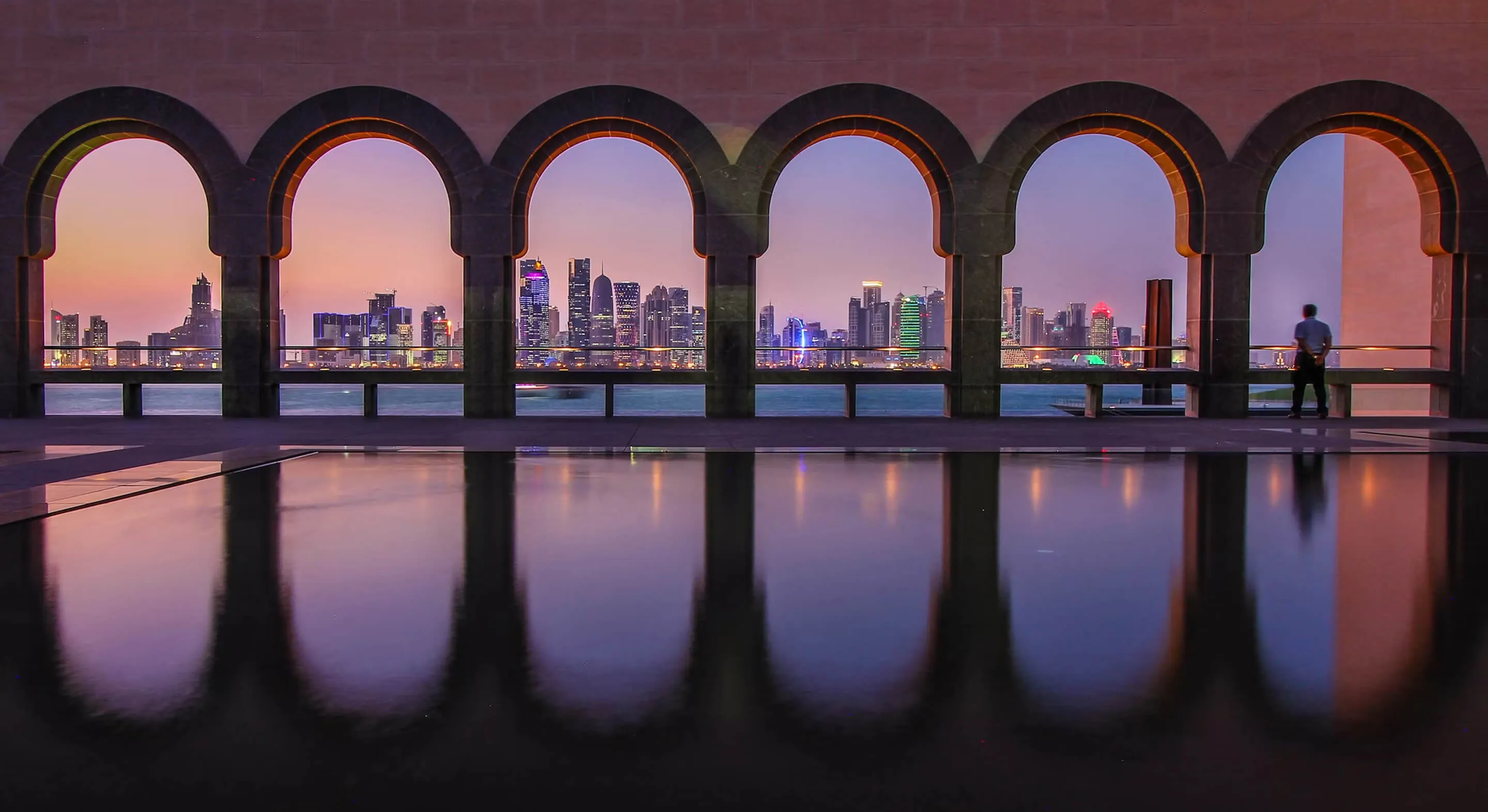
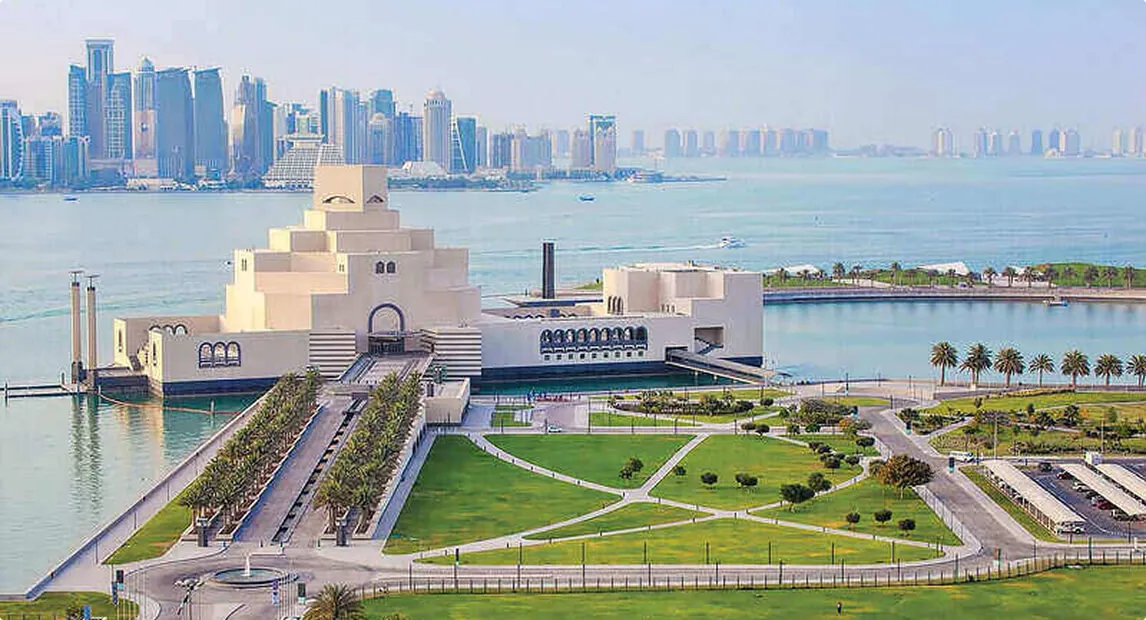
Qatar's major museums remain essential stops for those seeking a deeper understanding of the country's history, identity, and cultural development. The National Museum of Qatar, designed by Pritzker Prize-winning architect Jean Nouvel, offers an immersive exploration of the nation's history and identity. Nearby, the Museum of Islamic Art houses one of the world's foremost collections of Islamic art and design, spanning more than 1,400 years within I.M. Pei's iconic waterfront building.
Beyond museum walls, Qatar Museums has also brought art directly into public spaces through JEDARIART, an annual mural program launched in 2020. The initiative invites local and Qatar-based artists to transform walls across Doha into open-air galleries, contributing to the city's evolving visual landscape.

The independent pulse
“There's real growth in underground and independent initiatives,” says Omar. “New venues like Gubgub Studios, live art performances, experimental experiences, and social-creative gatherings such as Host X and ALhosh Gallery are building genuine community.”
Located in Doha's Industrial Area, Gubgub Studios is Qatar's first artist-run affordable shared studio space. Founded by thirteen practitioners, the cooperative has hosted talks, exhibitions, and collaborative projects connecting Doha's art scene with regional and international voices since its opening in early 2026. ALhosh Gallery represents a different chapter in the story. Operating since 2008, it remains one of Qatar's longest-running independent creative spaces and a fixture of the local arts community.
For Omar, that combination of established institutions and grassroots energy is part of what makes Qatar distinctive.
The programming throughout the year, the exhibitions, talks, and artists from all over the world sharing their practices create a kind of exchange you don't expect to find here.
Her advice to culturally curious travelers is simple: connect with local people. “Be genuinely open to experiencing the Qatar they inhabit, not the one curated for visitors,” she says. “That's where the real inspiration lives.”
From world-class institutions to grassroots creative initiatives, Qatar offers a cultural experience that continues to evolve and expand.

Things to do in Qatar:
Artist Hadeer Omar's favorite places
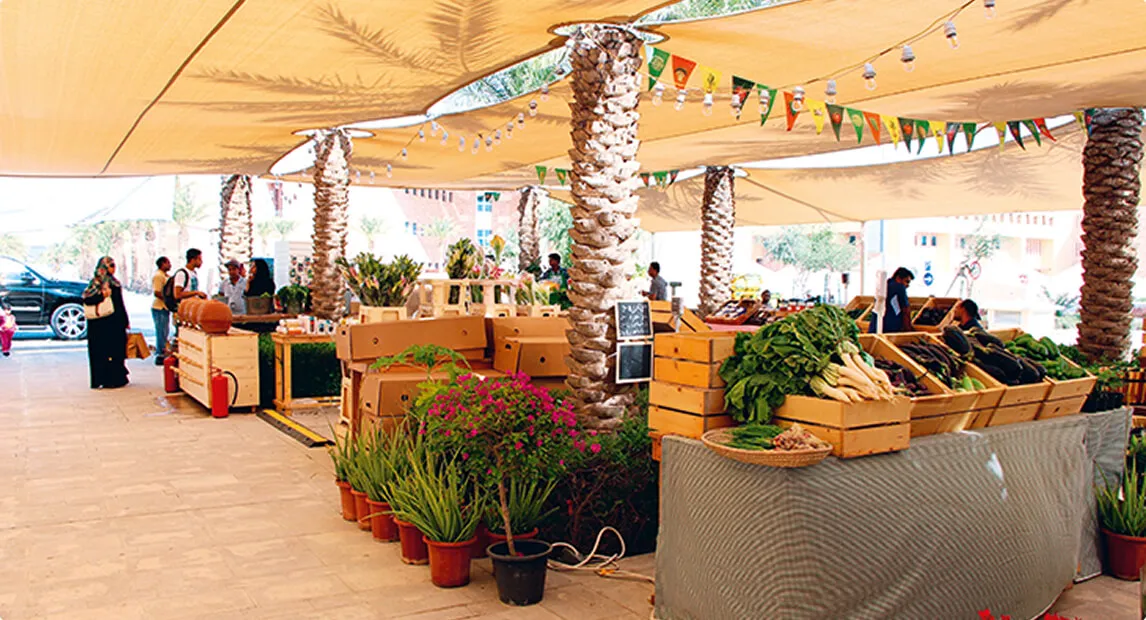
1Torba Market
An organic and artisan market in Education City known for local produce, handmade crafts, and a community atmosphere.
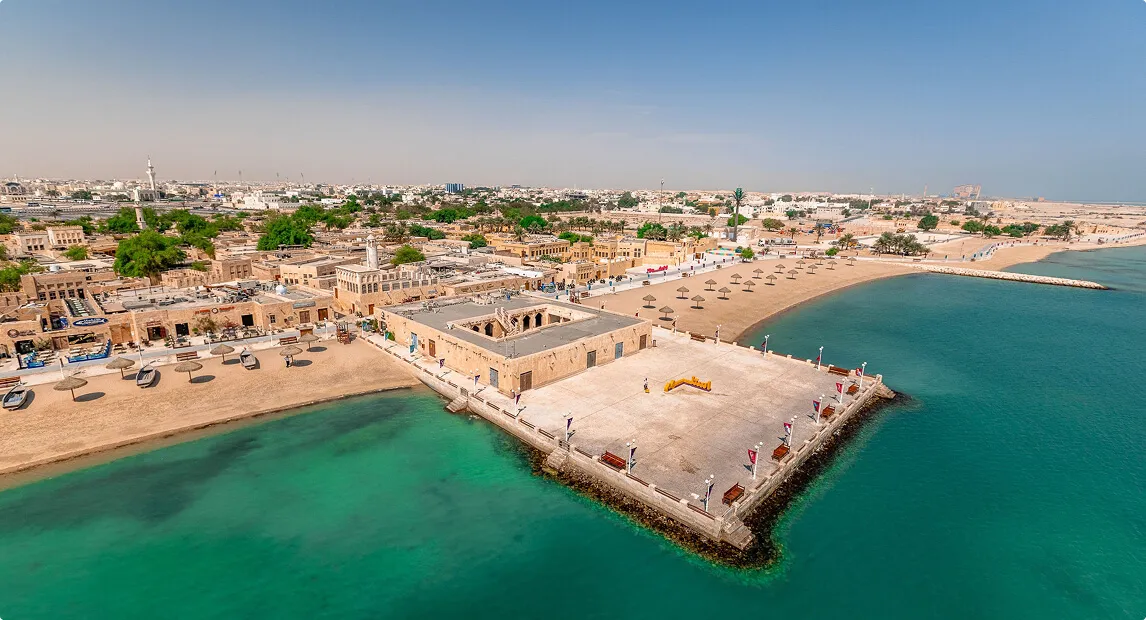
2Wakrah Beach & Souq Al Wakrah
A historic fishing village where traditional architecture, dhow boats, local restaurants, and the waterfront offer a glimpse into an older Qatar.
3Mia Park
A waterfront green space beside the Museum of Islamic Art, ideal for sunset views across Doha's skyline.
4Gubgub Studios
Whether public or private, Omar recommends seeking out artist talks, exhibitions, performances, and community events at Gubgub Studios.